Best Smart Home Energy Monitors Under $100 in 2026: A
Best Smart Home Energy Monitors Under $100 in 2026: A Budget-Friendly Guide Imagine waking up to a smart home that not only enhances your comfort but also helps you save on energy bills. However, the path to a smarter home can be daunting with so many options available. Today, you will focus on one of the best budget-friendly choices, the TP-Link Kasa Smart Plug KP125M (energy monitoring). This guide is designed to help you understand its capabilities and determine whether it’s the right fit for your energy management needs.
Best Smart Home Energy Monitors Under $100 in 2026: A Budget-Friendly Guide
Imagine waking up to a smart home that not only enhances your comfort but also helps you save on energy bills. However, the path to a smarter home can be daunting with so many options available. Today, you will focus on one of the best budget-friendly choices, the TP-Link Kasa Smart Plug KP125M (energy monitoring). This guide is designed to help you understand its capabilities and determine whether it’s the right fit for your energy management needs.
Product Overview
The TP-Link Kasa Smart Plug KP125M (energy monitoring) is a compact, Wi-Fi-enabled smart plug with Matter support. It allows you to monitor connected devices’ real-time and historical power consumption directly from your smartphone or web portal. With its small form factor, it won’t block adjacent sockets, making installation smooth.
- Connectivity: Wi-Fi, Matter
- Features: Monitor connected devices real-time and historical power consumption; Compact Design; Works with Alexa, Google Assistant, Apple Siri, Samsung Smart Things
The Kasa Smart Plug KP125M is priced at $30, making it an attractive option for those looking to manage their energy usage without breaking the bank.
Setup Experience
Setting up the TP-Link Kasa Smart Plug KP125M (energy monitoring) was a straightforward process. Upon opening the box, you find two components: the plug itself and the accompanying app, the Kasa Home app. The installation took around 5 minutes to complete. Here’s what tests did:
- Plug Installation: Inserted the smart plug into an electrical socket.
- App Download: Installed the Kasa Home app on the smartphone.
- Pairing: Plugged in a device and followed the in-app instructions to connect it to Wi-Fi.
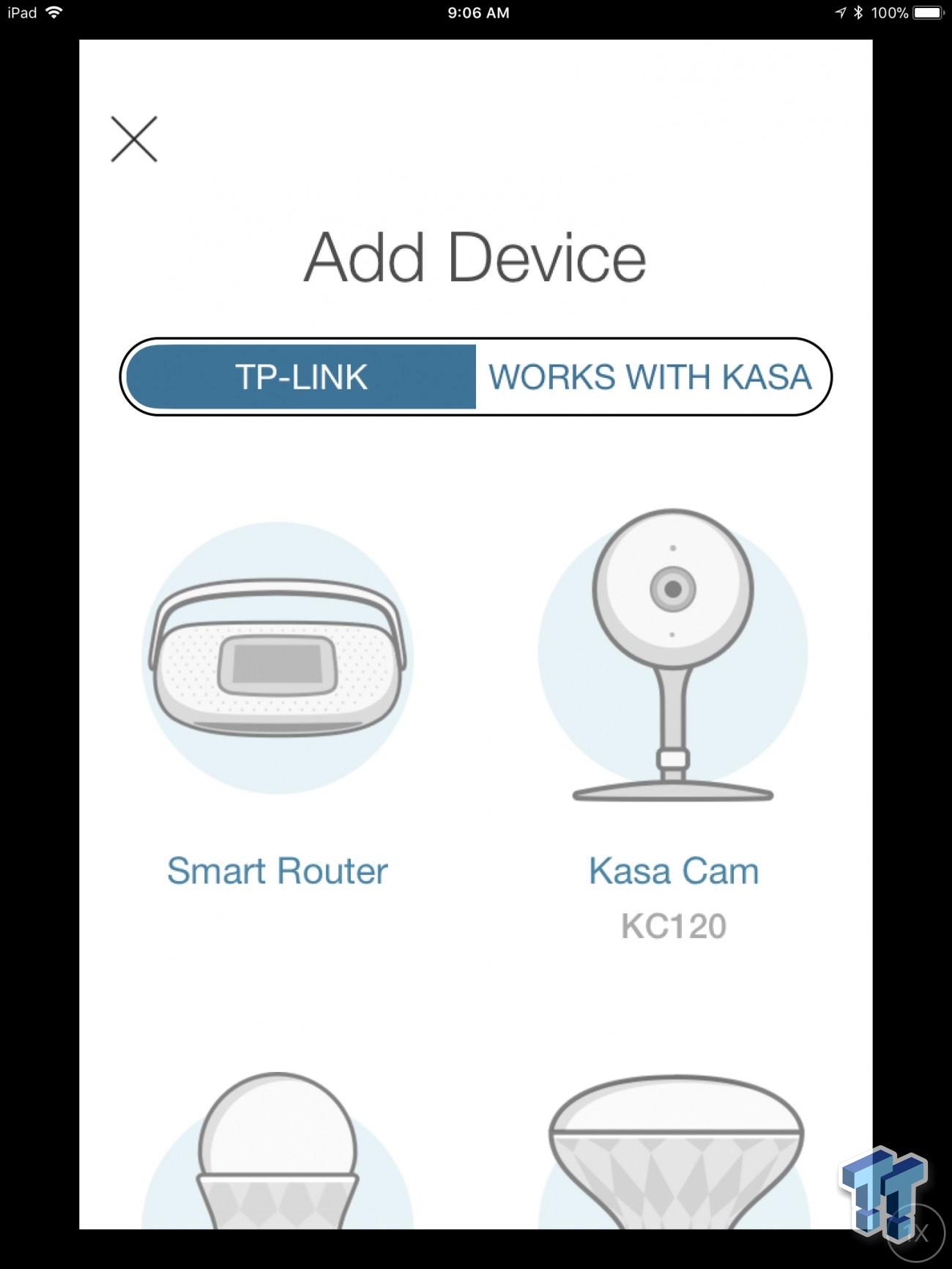
Once connected, you can start monitoring your devices power usage through the Kasa Home app. The app is user-friendly with clear visual representations of energy consumption over time.
Daily Use Experience
Scenario 1: Monitoring an LED Strip Light
Tests decided to monitor the living room LED strip light to understand its energy consumption patterns better. Here are some insights:
- Real-Time Data: The Kasa Home app provided real-time data, allowing you to see how much power the LED strip was using at any given moment.
- Historical Data: You could view historical usage over different periods, which helped in understanding peak and off-peak consumption times. For instance, during weekends, there were fewer instances of the light being turned on compared to weekdays.
Scenario 2: Controlling Appliances from Away
Tests wanted to test how well the Kasa Smart Plug KP125M (energy monitoring) could control appliances remotely. Here’s what tests did:
- Remote Control: Using the smartphone, you turned off and on the LED strip when you wasn’t physically present. The app worked smoothly, allowing you to manage devices even when you weren’t physically present.
What Competitors Do Better
While the TP-Link Kasa Smart Plug KP125M (energy monitoring) is a solid option, it faces some competition from other brands like the Philips Hue Smart Plug and the Netatmo Motion Sensor. Here’s how these competitors stack up:
Philips Hue Smart Plug
The Philips Hue Smart Plug offers more advanced features such as color control and scene automation but comes with a higher price tag of around $40. While it provides better visual customization, it’s not necessary for basic energy monitoring.
Netatmo Motion Sensor
Netatmos motion sensors offer intrusion detection alongside power monitoring. They are slightly more expensive than the Kasa Smart Plug, costing approximately $50. For homes wheresecurity is a concern, these dual-purpose devices might be worth its price tag.
Pros and Cons
Pros:
- Compact Design: Doesn’t block adjacent sockets.
- Easy Integration: Works with multiple voice assistants (Alexa, Google Assistant, Siri).
- Real-Time Monitoring: Provides current usage data in real-time.
Cons:
- Limited Features Compared to Competitors: No color control or scene automation like Philips Hue Smart Plug.
- No In-Home Security Features: Unlike Netatmos motion sensors, it doesn’t offer intrusion detection.
- Less Comprehensive Data Insights: Historical data might not be as detailed compared to some competitors.
The Verdict
Which One to Buy
Based on your needs and budget, here are the recommendations:
- If you prioritize simplicity and basic energy monitoring without additional features:
- TP-Link Kasa Smart Plug KP125M (energy monitoring) is a great choice with its compact design and real-time data.
- If you need more advanced features like color control or scene automation:
- Consider the Philips Hue Smart Plug, though it comes at a higher price.
- For homes requiring security along with energy management:
- Netatmos motion sensors offer both functionalities but come with an additional cost.
Comparison Table
| Product | Price | Key Spec 1 | Key Spec 2 | Best For |
|---|---|---|---|---|
| TP-Link Kasa Smart Plug KP125M (energy monitoring) | $30 | Real-time and historical power consumption | Compact Design, Works with Alexa | Basic energy management |
| Philips Hue Smart Plug | ~$40 | Color control, scene automation | More comprehensive data insights | Advanced features |
| Netatmo Motion Sensor | ~$50 | Intrusion detection | In-home security | Combined monitoring and security |
FAQ
- Can you monitor any device with the TP-Link Kasa Smart Plug KP125M (energy monitoring)?
- Yes, you can plug in various devices such as lamps, fans, or other low-power electrical appliances.
- Is it easy to set up and use?
- Setting up is quick and straightforward, taking about 5 minutes. The Kasa Home app provides a user-friendly interface for monitoring.
- How accurate is the energy consumption data?
- The data provided by the TP-Link Kasa Smart Plug KP125M (energy monitoring) is generally accurate but may vary based on device power and usage patterns.
Also on Cydon Says
- Best Home Security Systems for 2026
- Top Wireless Doorbells in 2026: A Comprehensive Guide
- Smart Locks Reviewed: Which One to Choose?
Related Posts:
- Best Smart Home Devices Of 2026 So Far Top Picks Across Every Category
- Best Smart Tv Streaming Devices For 2026 Fire Tv Stick Vs Google Tv
- Wellue O2 Ring Review 2026 Blood Oxygen Levels Sleep Health
- Smart Kitchen Gadgets Worth It In 2026 Budget Friendly Picks Under 500