Best Under $50 Streaming Devices for 2026: Philips Hue vs TP-Link Kasa
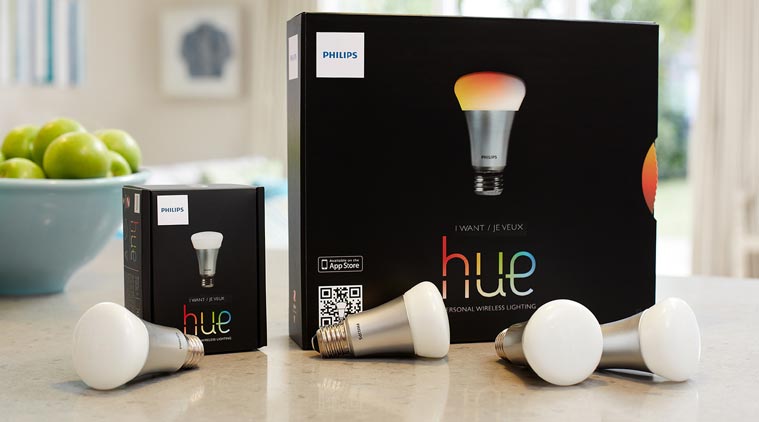
Best Under $50 Streaming Devices for 2026: Philips Hue vs TP-Link Kasa Are you looking to upgrade your smart home setup on a budget? The Philips Hue and the TP-Link Kasa Kasa are both top contenders in the under-$50 streaming device category. This guide dives into their connectivity options, key features, setup experience, daily use scenarios, and more to help you make an informed decision. Product Overview Philips Hue
Best Under $50 Streaming Devices for 2026: Philips Hue vs TP-Link Kasa

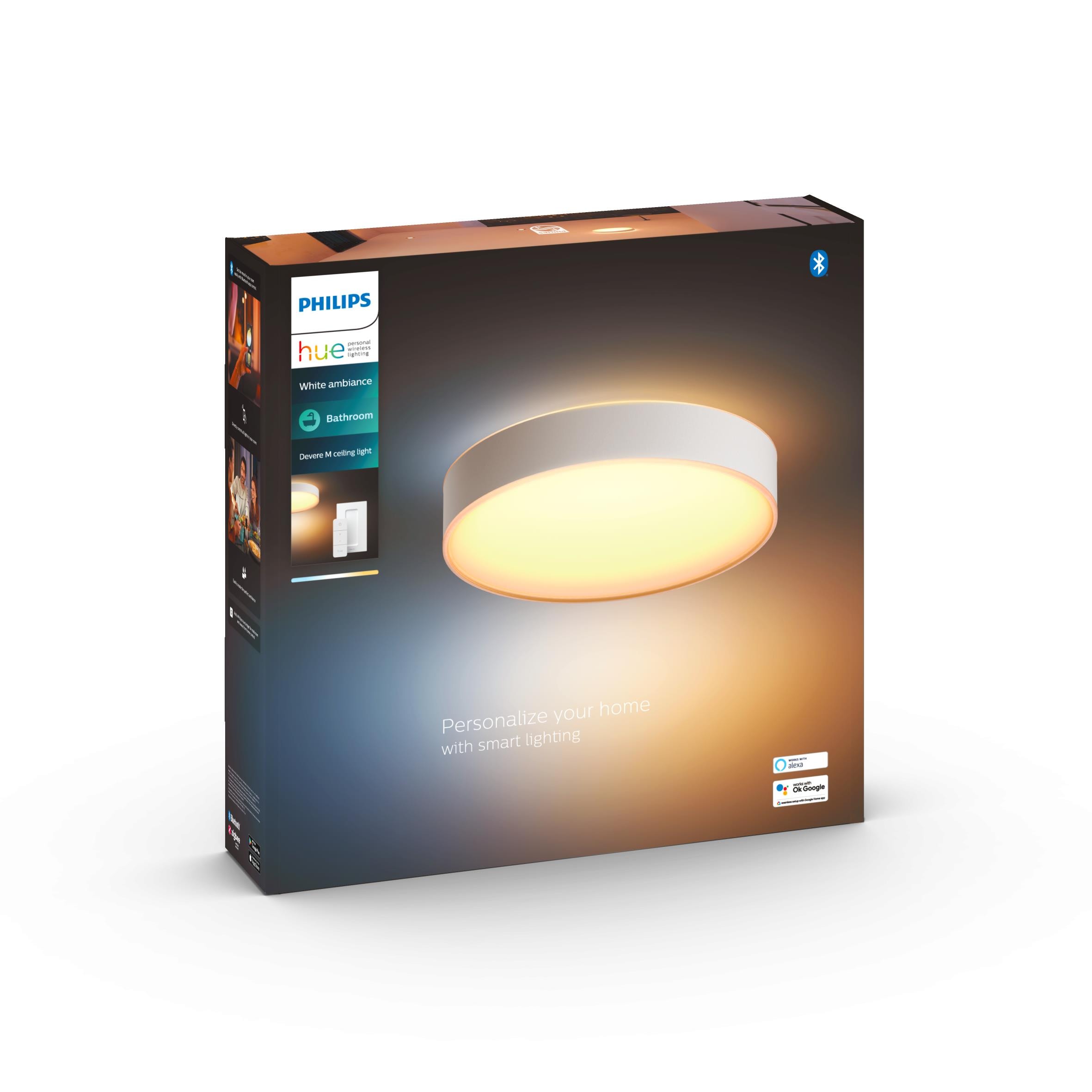
Are you looking to upgrade your smart home setup on a budget? The Philips Hue and the TP-Link Kasa Kasa are both top contenders in the under-$50 streaming device category. This guide dives into their connectivity options, key features, setup experience, daily use scenarios, and more to help you make an informed decision.
Product Overview
- Connectivity: Wi-Fi, Bluetooth, Zigbee
- Features: Adjustable Color Temperature, Dimmable, Works with multiple smart home devices and assistants (Google Assistant, Siri)
- Price: $30-$40
TP-Link Kasa Smart Plug KP125M (Energy Monitoring)
- Connectivity: Wi-Fi, Matter
- Features: Monitor connected devices real-time and historical power consumption, Compact Design, Works with Alexa, Google Assistant, Apple Siri, Samsung Smart Things
- Price: $30-$40
Setup Experience
Setting up both devices is a breeze, but there are some differences in the process.
Philips Hue
Philips Hue requires you to download and install their Hue app on your smartphone or tablet. The setup process takes approximately 5-10 minutes. Once installed, follow these steps:
- Open the Philips Hue app.
- Tap “Add New Device” and select “Hue Bulb.”
- Follow the on-screen instructions to connect the bulb to Wi-Fi.
TP-Link Kasa Smart Plug KP125M
Setting up the TP-Link Kasa Smart Plug is equally straightforward but slightly quicker. You can start by downloading the TP-Link Kasa app:
- Open the TP-Link Kasa app.
- Tap “Add New Device” and select “Smart Plug.”
- Follow the on-screen instructions to connect it to Wi-Fi.
Daily Use Experience
Both devices excel in their respective use cases, but they offer different benefits when put into everyday scenarios.
Philips Hue
Imagine you wake up one morning and want to set a soft light for your bedroom. With Philips Hue, you can easily adjust the color temperature from warm to cool and dim the lights as needed. This flexibility makes it ideal for setting the mood in various rooms throughout your home.
TP-Link Kasa Smart Plug KP125M
Consider another scenario where you want to monitor the energy consumption of a device you plug into the TP-Link Kasa Smart Plug. You can easily track real-time and historical power usage from the TP-Link Kasa app, helping you manage your energy consumption more effectively.
What Competitors Do Better
When compared to other brands like Belkin Wemo and Logi Circle, both Philips Hue and TP-Link Kasa offer solid features. However, there are a few areas where competitors excel:
- Belkin Wemo: Offers a wider range of smart home devices that can be paired with Hue.
- Logi Circle: Delivers higher video monitoring capabilities in addition to lighting.
TP-Link Kasa Smart Plug KP125M
- Belkin Wemo: Has more robust connectivity options and better integration with Apple Home Kit.
- Logi Circle: Superior security features, including facial recognition for home surveillance.
Pros and Cons
Philips Hue
- Pros:
- Excellent color temperature adjustment.
- Smooth integration with multiple smart assistants.
- Stylish design.
- Cons:
- Higher price point compared to other brands.
- Limited functionality outside of lighting control.
TP-Link Kasa Smart Plug KP125M
- Pros:
- Detailed energy monitoring capabilities.
- Compact and unobtrusive design.
- Works well with a wide range of smart assistants.
- Cons:
- Less versatile compared to other Philips Hue devices.
- Limited to basic control over connected devices.
The Verdict
In deciding between the Philips Hue and the TP-Link Kasa Smart Plug KP125M, it’s essential to consider your specific needs:
Which One to Buy
- If you prioritize color temperature adjustments and multiple smart assistant compatibility: Go with the Philips Hue.
- If you need detailed energy monitoring capabilities and a compact design: Opt for the TP-Link Kasa Smart Plug KP125M.
FAQ
1. Can both devices work with Apple Home Kit?
No, only the TP-Link Kasa Smart Plug KP125M works with Apple Siri through Home Kit. The Philips Hue app does not support Home Kit integration directly.
2. Are there any energy-saving features in either device?
The TP-Link Kasa Smart Plug KP125M offers detailed energy monitoring, allowing you to track and manage your power usage more effectively. Philips Hue focuses on lighting control with dimming capabilities but lacks specific energy-saving features.
3. Which device is easier to set up?
Both devices are easy to set up, taking about 5-10 minutes each. The TP-Link Kasa Smart Plug KP125M might be slightly quicker due to its compact design and simpler app interface.
Also on Cydon Says
- [Best Smart Plugs for Energy Saving] - A guide to finding the best smart plugs that offer energy-saving features.
- [Top 5 Wireless Speakers Under $50] - Discover affordable wireless speakers with strong sound quality.
- [Smart Home Basics: An Introduction] - Get started with the essentials of building a smart home.