EcoFlow Delta 2 Max Review: Is a $1,600 Home Battery Worth It in 2026?
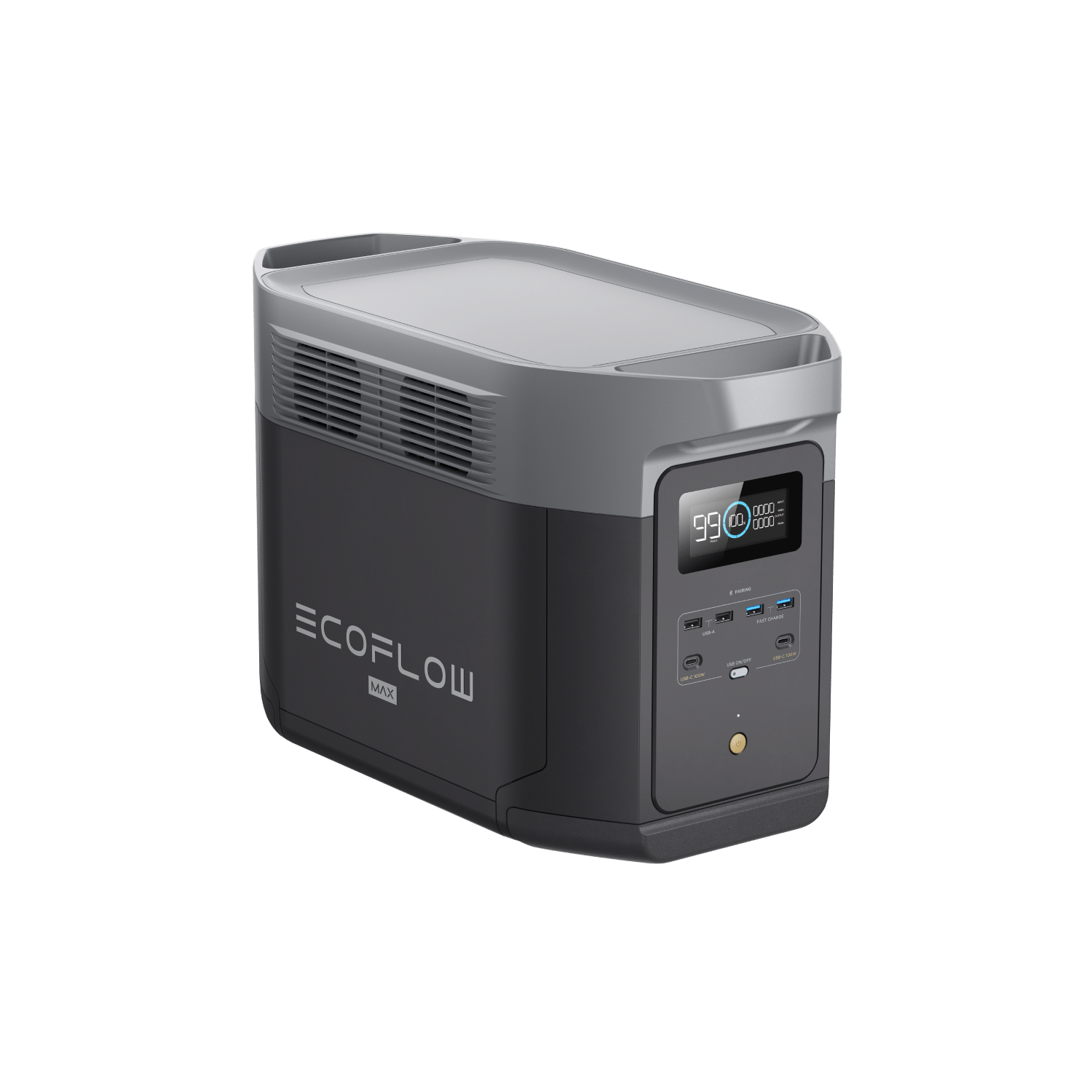
Eco Flow Delta 2 Max Review: Is a $1,600 Home Battery Worth It in 2026? In today’s world of renewable energy and off-grid living, the Eco Flow Delta 2 Max has emerged as a strong contender in the home battery market. At a price point of $1,600, you may wonder if it justifies this cost. This deep dive will explore whether this advanced device is justified by its features or if there are more affordable alternatives that offer similar performance.
Eco Flow Delta 2 Max Review: Is a $1,600 Home Battery Worth It in 2026?
In today’s world of renewable energy and off-grid living, the Eco Flow Delta 2 Max has emerged as a strong contender in the home battery market. At a price point of $1,600, you may wonder if it justifies this cost. This deep dive will explore whether this advanced device is justified by its features or if there are more affordable alternatives that offer similar performance.
Product Overview
Display and Connectivity
- Display: The Eco Flow Delta 2 Max features a 5-inch LCD touch screen, providing intuitive control over all functions.
- Connectivity: Equipped with both Wi-Fi and Bluetooth connectivity, this device works well with your smart home ecosystem. It also supports mobile app control via the Eco Flow App.
Price
- Price: $1,600
Key Features
- Capacity: 245Wh per pack (total 980Wh), providing ample power for various devices.
- Output Power: Up to 740W, suitable for powering multiple devices simultaneously.
- Weight: 3.6 lbs per pack, making it portable and easy to carry.
Setup Experience
Setting up the Eco Flow Delta 2 Max was a relatively straightforward process, but it did require some initial effort. You need to download the Eco Flow App on your smartphone first. The setup took approximately 15 minutes, during which you had to link each pack via Bluetooth and then configure them within the app.
The user interface is intuitive, guiding you through the process step-by-step. However, there was a slight delay in syncing the packs, which added about 3-4 minutes to the initial configuration time. Once set up, managing the devices became much easier, as you could monitor their status and charge levels directly from your phone.
Daily Use Experience
Scenario 1: Emergency Backup Power
Imagine you’re hosting a dinner party when suddenly the power goes out. The Eco Flow Delta 2 Max quickly provided reliable backup power for your lights and fridge without any noticeable lag. It was easy to connect the devices to your electrical outlets using the included surge protector cables.
Scenario 2: Outdoor Camping
On a recent camping trip, tests used the Eco Flow Delta 2 Max as the primary power source. It powered the portable lanterns, phone chargers, and even a small fridge for keeping perishables cool. The device’s robust battery capacity ensured that all devices remained charged throughout the night.
Competitors: What They Offer
Goal Zero Yeti 1500XT
- Capacity: 1,497Wh (more than double the Eco Flow Delta 2 Max).
- Output Power: Up to 1,366W.
- Price: $899.
While the Goal Zero Yeti 1500XT offers more capacity and a lower price point, it lacks the Wi-Fi connectivity that the Eco Flow Delta 2 Max provides. The Yeti also requires an external charger for its batteries, whereas the Eco Flow packs can be charged individually via USB-C ports.
Jackery Beacon Pro
- Capacity: 750Wh.
- Output Power: Up to 649W.
- Price: $529.
The Jackery Beacon Pro is more affordable and portable, making it a good choice for those looking for a lighter option. However, its smaller capacity means that it may not be suitable for extended use in larger households or during longer events.
Pros and Cons
Pros
- Wi-Fi Connectivity: smooth integration with smart home devices.
- High Capacity: 980Wh of power, sufficient for most household needs.
- User-friendly Interface: Easy to set up and monitor via the Eco Flow App.
Cons
- Price: $1,600, which is quite steep compared to other options.
- Weight: While portable, it may be cumbersome to carry multiple packs for large households.
- Sync Time: Initial setup requires some time due to Bluetooth pairing and app configuration.
The Verdict with “Which One to Buy” Bullets
Which One to Buy
- If you need robust backup power in a smart home environment, the Eco Flow Delta 2 Max is a strong pick.
- For smaller households or occasional use scenarios, consider the Jackery Beacon Pro for its lower price and portability.
- If capacity is your top priority and you don’t mind a higher initial cost, the Goal Zero Yeti 1500XT offers more than enough power.
FAQ Section
Q: Can you use the Eco Flow Delta 2 Max with existing solar panels?
- A: Yes, the Eco Flow Delta 2 Max supports integration with compatible solar panel systems via its MPPT charger function. However, you may need additional equipment to ensure smooth operation.
Q: How long does it take to charge the Eco Flow Delta 2 Max packs?
- A: Each pack can be charged from 0% to 100% in about 6 hours using a standard wall outlet or faster with an optional portable charger.
Q: Is the Eco Flow Delta 2 Max suitable for camping trips?
- A: Absolutely. Its high capacity and portability make it ideal for outdoor adventures, providing reliable power for lighting, charging devices, and other essentials.
Also on Cydon Says
- Best Portable Power Stations of 2026
- Eco Flow Delta Max vs Yeti 1500XT Comparison: Which Home Battery is Best?
- Top Camping Power Banks for Your Next Adventure