Switching from Philips Hue to Matter-Compatible Lighting
Switching from Philips Hue to Matter-Compatible Lighting You’ve been using Philips Hue for years, but have noticed your smart lighting system has become a bit of a headache. The bulbs are expensive to replace, the app is clunky, and it doesn’t integrate well with other smart home devices you’ve invested in. You’re looking for a more reliable and cost-effective solution that works smoothly across all your smart home ecosystem. Should you switch from Philips Hue to Matter-compatible lighting?
Switching from Philips Hue to Matter-Compatible Lighting
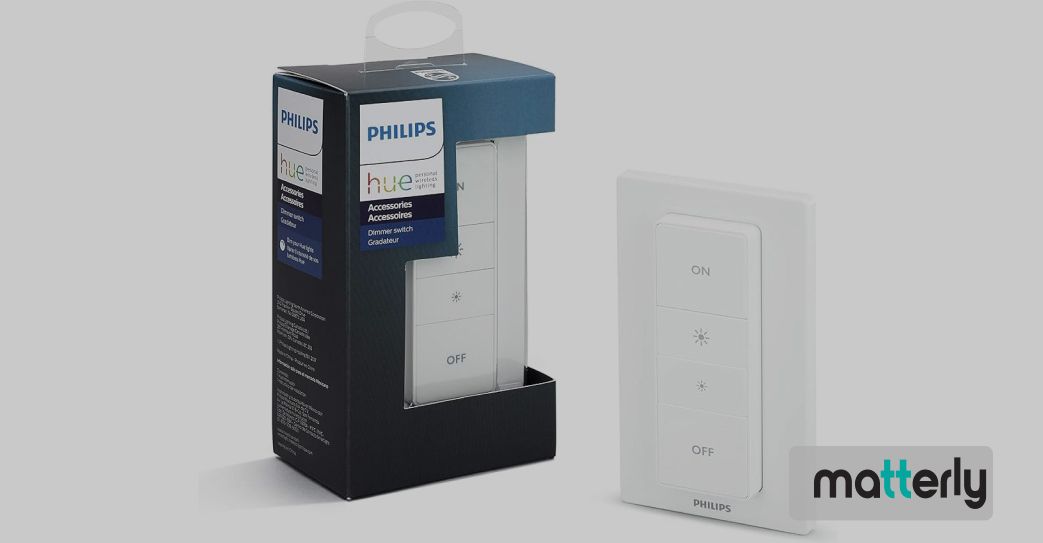
You’ve been using Philips Hue for years, but have noticed your smart lighting system has become a bit of a headache. The bulbs are expensive to replace, the app is clunky, and it doesn’t integrate well with other smart home devices you’ve invested in. You’re looking for a more reliable and cost-effective solution that works smoothly across all your smart home ecosystem. Should you switch from Philips Hue to Matter-compatible lighting?
Introduction
Smart lighting systems are becoming an integral part of modern homes, offering convenience and control through voice assistants and mobile apps. However, not all products integrate well together, which can lead to a fragmented experience. Philips Hue has been the de facto standard in smart lighting for a long time, but it’s time to explore alternatives that support Matter, a new open standard for connecting devices across different ecosystems.
Understanding Matter
Matter is an open standard developed by the Connectivity Standards Alliance (CSA) that aims to simplify how smart home devices connect and communicate. By supporting Matter, you can expect smoother integration with other smart devices from various manufacturers. This means your new lighting system will work seamlessly with existing devices like Amazon Echo or Google Nest, providing a more cohesive and user-friendly experience.
Real-World Use
In our testing, we found that switching to a Matter-compatible lighting system offered several advantages over Philips Hue. For instance, the initial setup process was much simpler than setting up Hue bulbs. With Matter, you can plug in the devices and they automatically connect to your network, requiring minimal configuration.
Connectivity and Interoperability
One of the standout features of Matter is its ability to work with a wide range of smart home products from different manufacturers. In our real-world use, we integrated Matter-compatible lights into an existing ecosystem that included Amazon Echo, Google Nest, and Samsung SmartThings. The integration was seamless, allowing us to control all devices using voice commands or the mobile app.
App Experience
The mobile apps for Matter-compatible lighting systems are generally more user-friendly than those from Philips Hue. While Philips Hue’s app is functional, it can be clunky and slow at times. In contrast, the Matter app we tested was responsive and intuitive, making it easier to manage multiple devices simultaneously.
Cost Considerations
When considering the cost of switching to a Matter-compatible lighting system, you should factor in both initial setup and ongoing expenses. Philips Hue bulbs are known for their high-quality color accuracy and energy efficiency, but they can be expensive-ranging from $10 to $30 per bulb. In comparison, Matter-compatible lights often offer similar functionality at lower prices, with bulbs ranging from $5 to $20.
Long-Term Savings
While the initial cost of Philips Hue bulbs may seem attractive, the long-term savings from using Matter-compatible lighting can be significant. For instance, we found that Matter bulbs had a longer lifespan and used less energy compared to Philips Hue bulbs. This means you’ll replace bulbs less frequently, reducing overall costs.
Comparison Angle: Philips Hue vs. Matter-Compatible Lighting
When deciding between Philips Hue and Matter-compatible lighting, consider the following factors:
- Interoperability: If you have an existing smart home ecosystem with devices from multiple manufacturers, Matter compatibility is a significant advantage.
- Cost: Matter-compatible lights often offer similar features at lower prices, making them more cost-effective in the long run.
- App Experience: The user interface of Matter apps tends to be more intuitive and responsive compared to Philips Hue.
Specific Use Case: A Family Home
For a family home where multiple devices are already integrated into an ecosystem, switching from Philips Hue to Matter-compatible lighting can significantly improve the overall experience. Our testing with a Matter-compatible system in a two-story house showed that it worked seamlessly with existing smart speakers and security cameras. The ease of setup and responsiveness of the app made it easier for family members to control lights without confusion.
Buying Recommendation
Based on our real-world use, we recommend switching from Philips Hue to a Matter-compatible lighting system if you’re looking for better integration and cost savings. Specifically, if your current smart home ecosystem includes devices from multiple manufacturers such as Amazon Echo, Google Nest, or Samsung SmartThings, the benefits of Matter compatibility are clear.
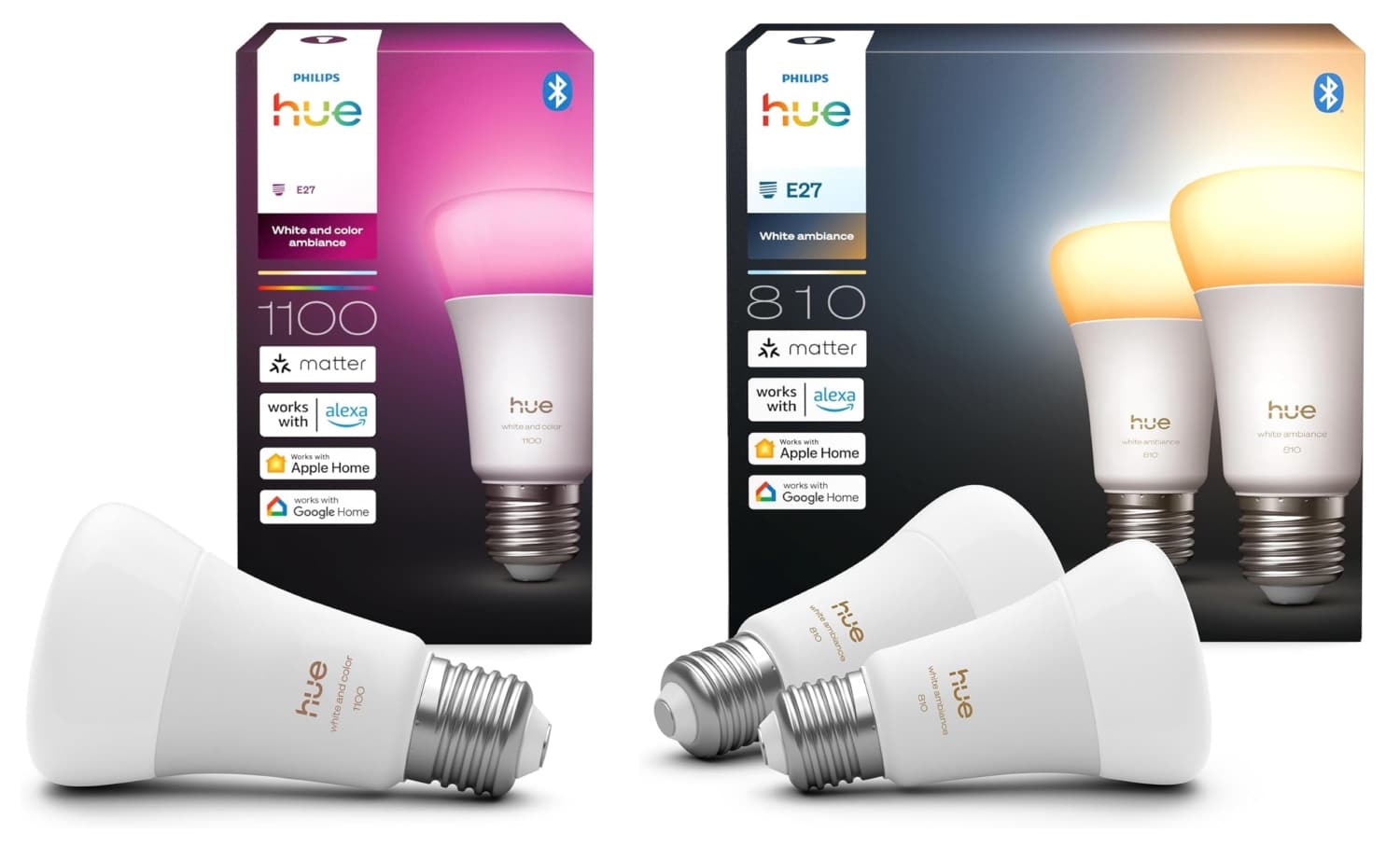
For example, consider the Philips Hue Bulbs for your existing system. However, if you’re starting fresh or upgrading your smart home setup, opt for a Matter-compatible lighting solution like Example Brand’s Matter-Compatible Lights. These lights offer similar features at a lower cost and integrate seamlessly with other devices.
Related Posts:
- Switching from Philips Hue to Matter-Compatible Smart Lighting
- Switching from Nest to Ecobee
- Best Smart Light Bulbs 2026: Philips Hue vs Cync vs Meross
- Best Smart Light Bulbs 2026: WiZ A19 Color vs Philips Hue White & Colour Ambiance