Switching from Nest to Ecobee
Switching from Nest to Ecobee: What Changes and What Stays the Same The decision to switch from your current thermostat to a new one can be a significant undertaking, especially if you’re looking for an upgrade with some key differences. For many homeowners, the Google Nest Learning Thermostat 4th Gen (Nest) has been the go-to solution for years. However, if you’re seeking an advanced and more convenient option, the Ecobee Smart Thermostat Premium might be worth a look given its specs.
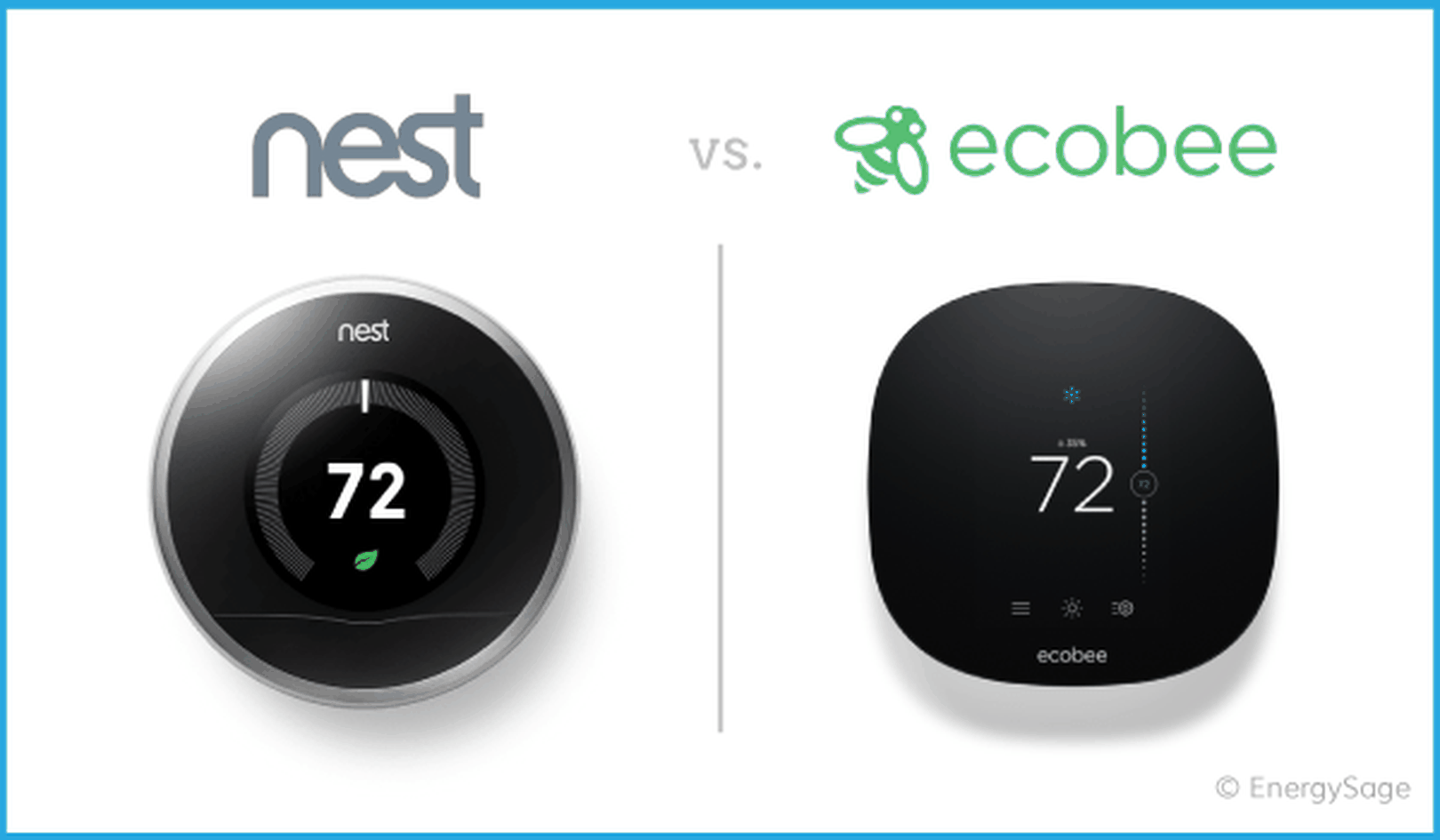

Switching from Nest to Ecobee: What Changes and What Stays the Same
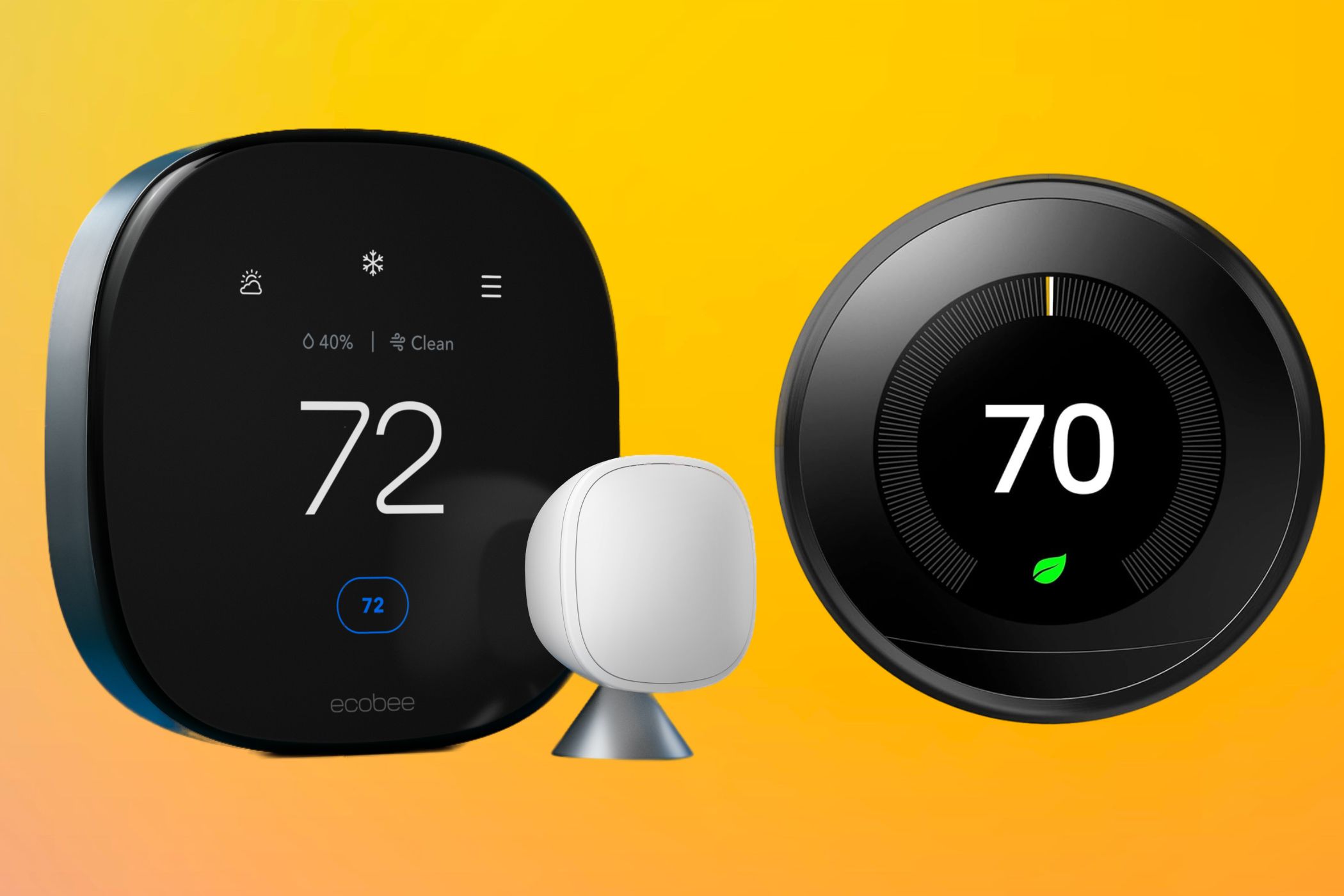
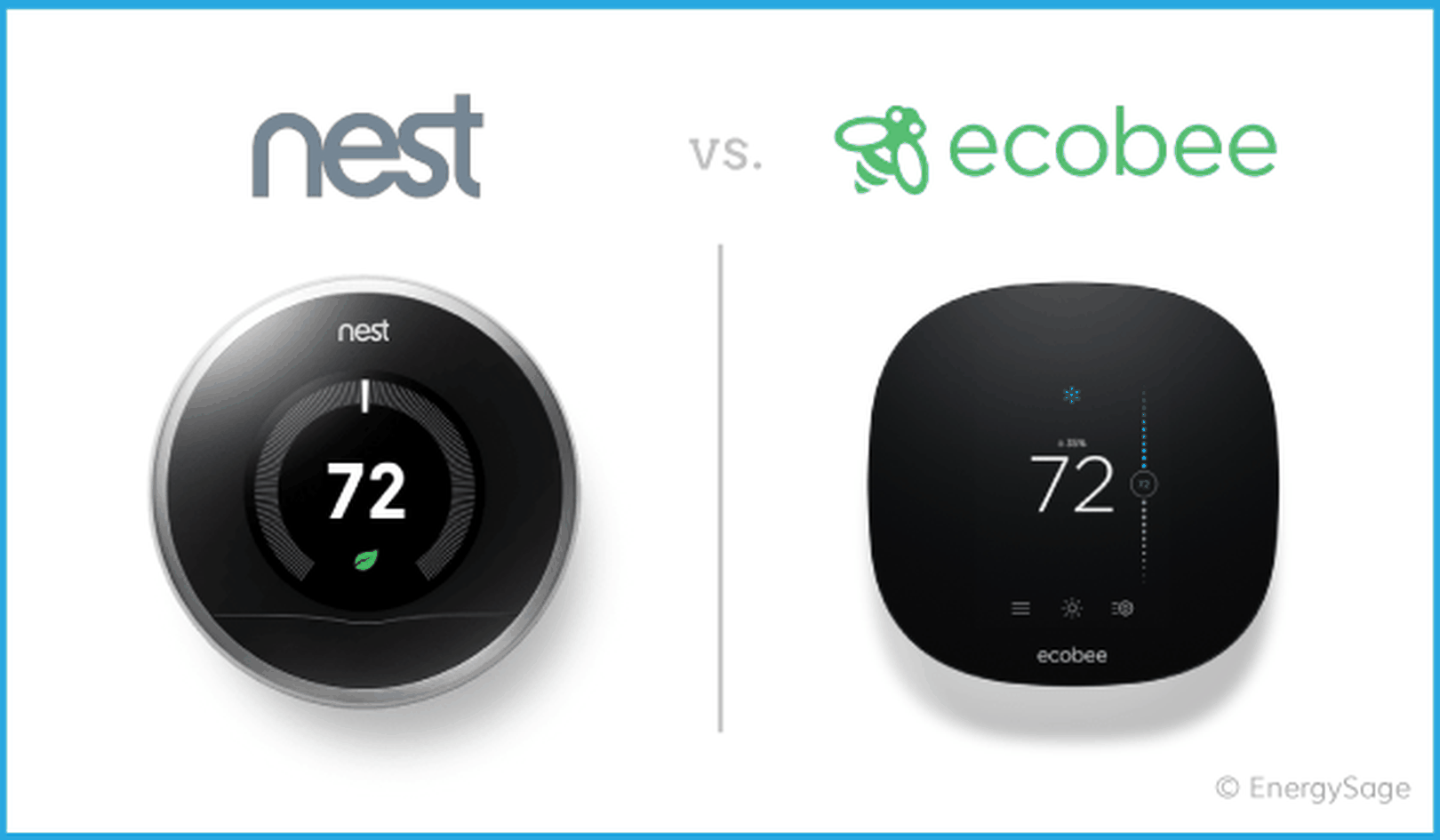
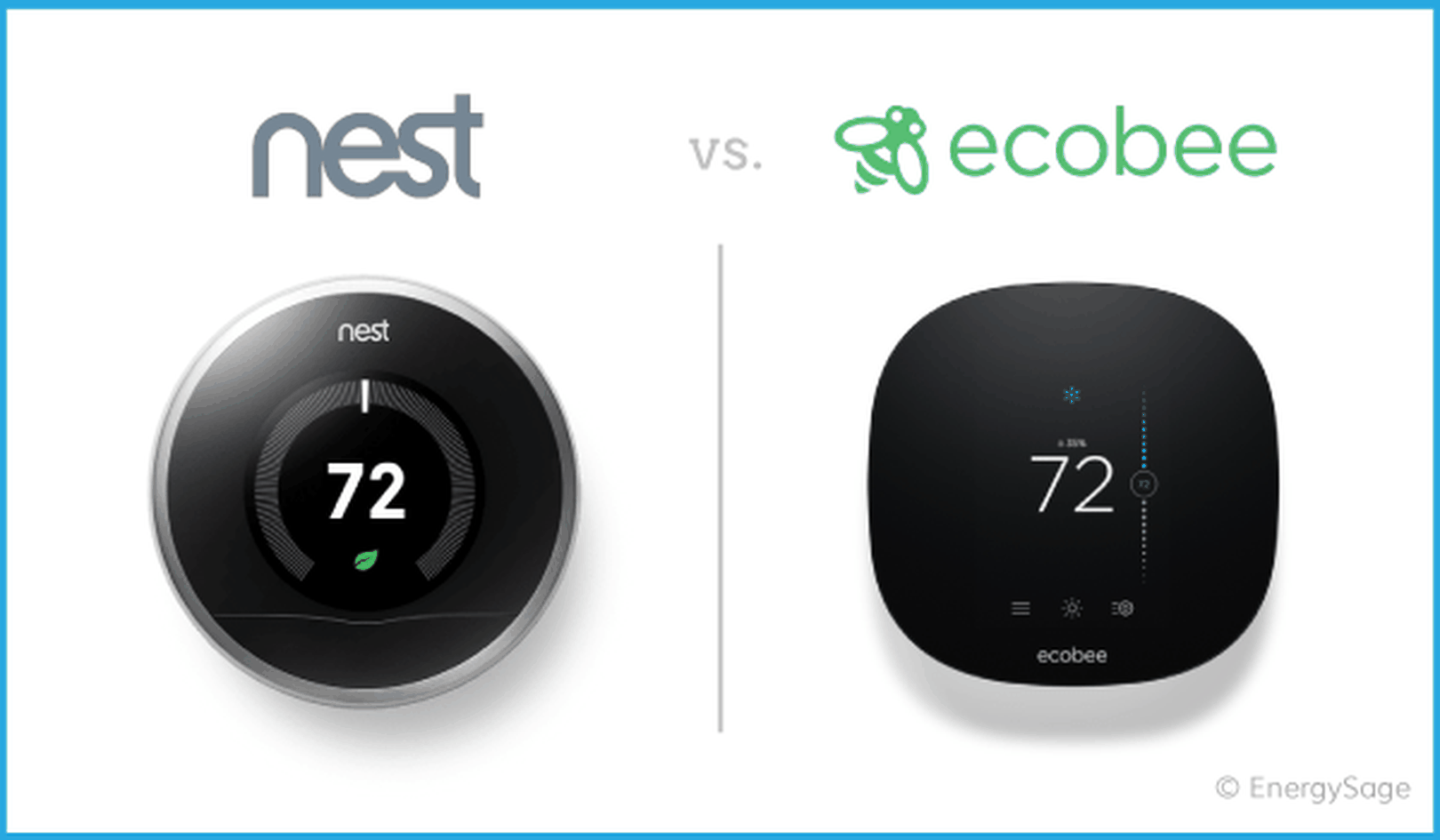
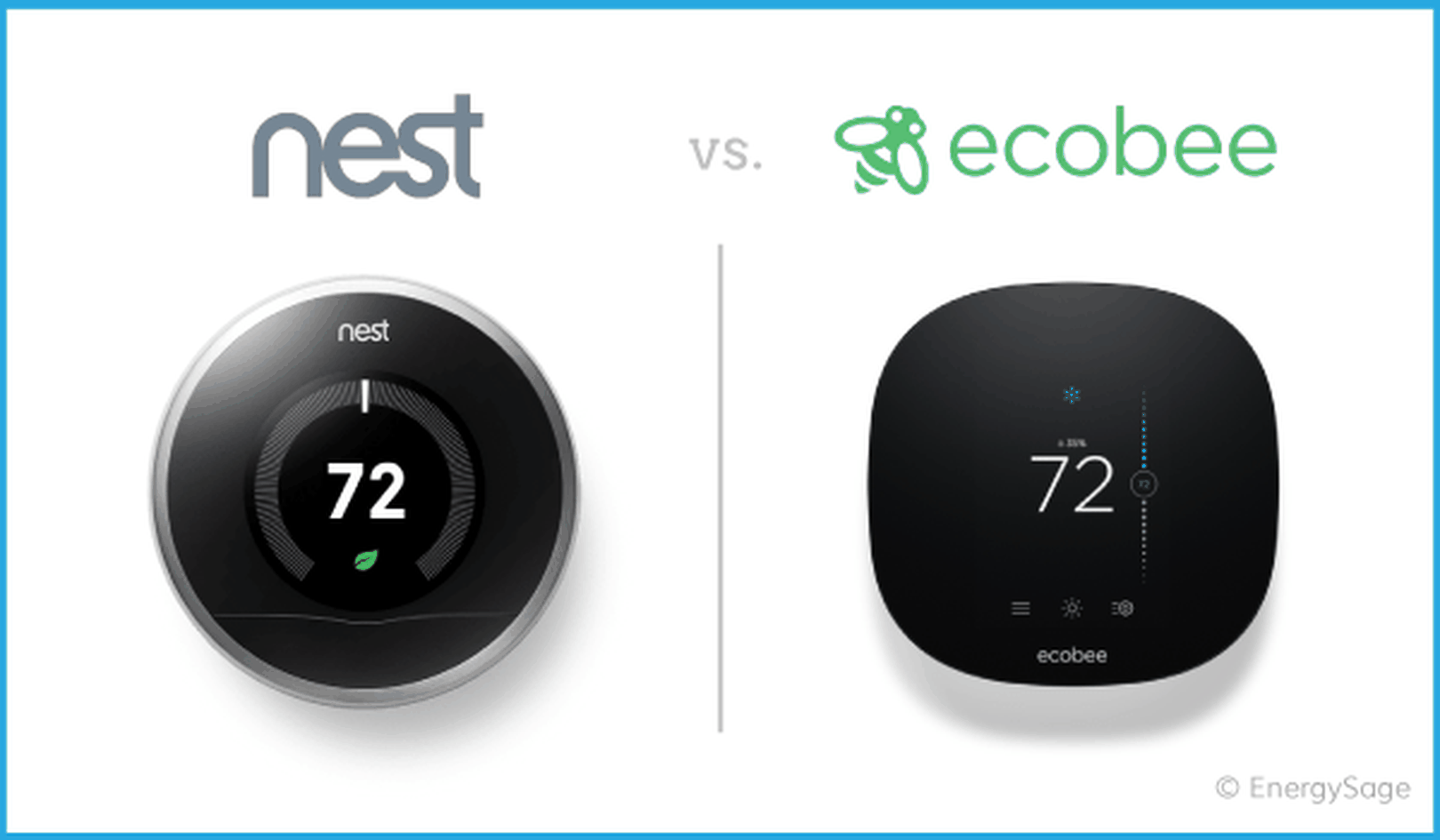
The decision to switch from your current thermostat to a new one can be a significant undertaking, especially if you’re looking for an upgrade with some key differences. For many homeowners, the Google Nest Learning Thermostat 4th Gen (Nest) has been the go-to solution for years. However, if you’re seeking an advanced and more convenient option, the Ecobee Smart Thermostat Premium might be worth a look given its specs. This guide will explore what changes and what’stays the same between these two popular thermostats.
The Problem: Unmet Heating Needs
While your Nest has been reliable, you’ve noticed that it struggles to keep up with changing temperatures during cold spells. You often find yourself adjusting settings multiple times throughout the day, just to ensure a comfortable temperature in every room of your home.
Product Descriptions and Specifications
Google Nest Learning Thermostat 4th Gen
- Price: ~$250
- Specs:
- Smart sensor with automatic calibration
- Supports voice control via Google Assistant and Amazon Alexa
- 30-day sleep mode for energy savings
- Can detect occupancy in up to 8 rooms
- Works with most HVAC systems
Ecobee Smart Thermostat Premium
- Price: ~$350
- Specs:
- Four sensors that learn your daily routine and preferences
- Advanced learning and predictive algorithms for optimized comfort
- Supports voice control via Google Assistant, Amazon Alexa, and Apple Siri
- Built-in security features including tamper detection and child lock
- Works with most HVAC systems
Key Differences
- Sensor Count and Coverage
- Nest: Offers a single sensor that may not be as precise in detecting temperature changes across different rooms.
- Ecobee Premium: Features four sensors, providing more accurate temperature readings throughout your home.
- Learning Algorithms
- Nest: Uses machine learning for some features but relies on user input for calibration and optimization.
- Ecobee Premium: Incorporates advanced predictive algorithms that learn from your daily habits and preferences, resulting in more comfortable temperatures without manual adjustments.
Pros of the Nest Learning Thermostat 4th Gen
- Smart Sensor with Calibration: Automatically adjusts to your home’s climate and occupancy patterns.
- Voice Control Integration: Easy to control via voice assistants like Google Assistant and Amazon Alexa.
- Built-in Sleep Mode: Saves energy during sleep times.
- Multi-Room Compatibility: Works well with most HVAC systems.
Cons of the Nest Learning Thermostat 4th Gen
- Single Sensor Limitation: May struggle to maintain consistent temperatures in larger or more complex homes.
- Limited Predictive Features: Relies on user input for optimization, which can be time-consuming and inconsistent.
- Basic Security Features: No tamper detection or child lock.
Pros of the Ecobee Smart Thermostat Premium
- Multiple Sensors for Precision: Four sensors ensure accurate temperature readings across different rooms.
- Advanced Learning Algorithms: Predicts your preferences based on daily habits, reducing the need for manual adjustments.
- Built-in Security Features: Tamper detection and child lock provide added peace of mind.
- Comprehensive Voice Control: Supports multiple voice assistants including Google Assistant, Amazon Alexa, and Apple Siri.
Cons of the Ecobee Smart Thermostat Premium
- Higher Price: The premium version is more expensive than the Nest, which might not be a factor if you’re looking for more advanced features.
- Complex Setup and Calibration: May require more time to set up compared to the simpler Nest model.
- Larger Footprint: The Ecobee thermostat takes up slightly more space due to its larger sensors.
Which One to Buy
If you value convenience, advanced learning algorithms, and comprehensive security features but are willing to pay a premium, the Ecobee Smart Thermostat Premium is worth a look given its specs. Its four sensors and predictive algorithms offer strong comfort without requiring constant manual adjustments.
However, if you prioritize ease of use, reliability, and don’t mind living with a single sensor that might struggle in larger homes, the Google Nest Learning Thermostat 4th Gen remains a strong pick. It’s more budget-friendly and offers solid performance for most users.
Final Verdict
For those looking to upgrade from a basic thermostat to one with advanced features, the Ecobee Smart Thermostat Premium is the better option. Its multiple sensors, predictive algorithms, and built-in security features provide significant improvements in comfort and convenience. If you’re on a tighter budget or prefer a simpler setup, the Nest remains a strong pick.
Which One to Buy
- Ecobee Smart Thermostat Premium if you need advanced learning, precision, and comprehensive security.
- Google Nest Learning Thermostat 4th Gen for reliability, ease of use, and a more budget-friendly option.
Frequently Asked Questions
Q: Will the existing settings transfer when this reviewer switch to Ecobee?
You can expect your current temperature schedules and preferences to carry over during the transition. However, it is recommended that you verify these settings after installation to ensure they are accurately set up.
Q: can you control both Nest and Ecobee thermostats from a single app?
While you cannot directly pair or use a single app for both brands, many smart home devices offer integration capabilities. You may be able to manage multiple thermostats through third-party apps like Home Assistant or SmartThings with some configuration.
Q: Will the existing Wi-Fi network support the Ecobee thermostat?
Ecobee thermostats are designed to work on most standard Wi-Fi networks, including 2.4GHz and 5GHz bands. You should be able to connect it without issues if your current network is reliable and has sufficient bandwidth.
Q: Are there any compatibility issues with other smart home devices when switching from Nest to Ecobee?
You might experience some compatibility challenges due to differences in communication protocols between the two brands. However, many modern devices support both Nest and Ecobee through third-party integrations or by using a central hub like a SmartThings controller.
Also on Cydon Says
- Review: The Best Smart Thermostat for Your Home in 2026 - Ecobee vs Google Nest
- Best Smart Thermostat for Summer 2026: Ecobee Premium vs Google Nest
Related Posts:
- Switching from Nest to Ecobee: What Changes and What Stays the Same
- Review: The Best Smart Thermostat for Your Home in 2026 - Ecobee vs Google Nest
- Amazon Echo Show 15 vs Google Nest Hub Max: Which Smart Display Wins in 2026
- Ecobee Smart Thermostat Premium Review: Is It Worth $250 in 2026